Everything you need to know:
80 page guide to finding the best treatment, doctors, and care
100 answers to the most frequently asked questions
10 questions you MUST ask your doctor right away
The Cancer Fighting Kitchen: $32.50
Things I Wish I’d Known: $19.95
The package we received on mesothelioma is excellent and very well put together. We knew nothing about mesothelioma and this was the greatest resource we could get.
Our Mesothelioma Care Package provides the latest information on top treatment options and ways others have improved life expectancy.
Pleural mesothelioma is caused by inhaling asbestos fibers that get lodged into the protective lining of the lungs (the pleura) which cause genetic mutations in the surrounding cells. Pleural mesothelioma makes up approximately 75 percent of all mesothelioma cases, meaning specialists have more opportunities to develop new treatments each year. As a result, pleural mesothelioma patients commonly have the most available treatment options.
An accurate diagnosis is important because pleural mesothelioma can vary by stage and cell type, both of which affect treatment options.
Most pleural mesothelioma patients are prescribed chemotherapy and/or radiation to help slow down the spread of aggressive mesothelioma cells. But surgical options such as a pleurectomy often offer the best chance for a longer survival time.
Depending mostly on factors like the stage the disease was diagnosed and the patient’s overall health, the prognosis for pleural mesothelioma is typically just over a year. However, patients using novel treatments have lived for years with the disease.
Pleural mesothelioma is caused by inhaling asbestos fibers that get lodged into the protective lining of the lungs (the pleura) which cause genetic mutations in the surrounding cells. Pleural mesothelioma makes up approximately 75 percent of all mesothelioma cases, meaning specialists have more opportunities to develop new treatments each year. As a result, pleural mesothelioma patients commonly have the most available treatment options.
An accurate diagnosis is important because pleural mesothelioma can vary by stage and cell type, both of which affect treatment options.
Most pleural mesothelioma patients are prescribed chemotherapy and/or radiation to help slow down the spread of aggressive mesothelioma cells. But surgical options such as a pleurectomy often offer the best chance for a longer survival time.
Depending mostly on factors like the stage the disease was diagnosed and the patient’s overall health, the prognosis for pleural mesothelioma is typically just over a year. However, patients using novel treatments have lived for years with the disease.
Pleural mesothelioma has similar symptoms as more common respiratory conditions such as pneumonia or chronic obstructive pulmonary disease (COPD). Even under a microscope, doctors can have a hard time distinguishing between pleural mesothelioma and other cancers. That’s why tests are run to confirm the location, cancer stage, and cell type of the mesothelioma.
Doctors rely on your diagnosis to determine the type of treatment you receive, which is why they often won’t perform a surgical operation on a later stage patient. It’s always a good idea to get a second opinion from another mesothelioma specialist in order to confirm a diagnosis and expand your treatment options.
A biopsy is one of the more accurate ways to diagnose mesothelioma. The procedure involves taking a small fluid or tissue sample that provides important information like the cell type of the mesothelioma. Using that information, doctors then create the most effective treatment plan for your diagnosis.
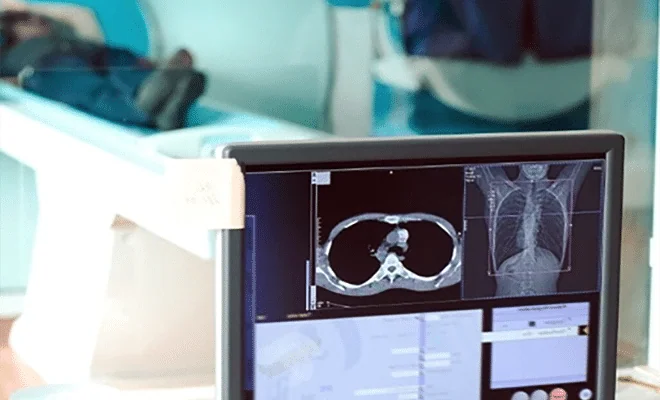
X-ray and CT scans are diagnostic imaging tests which examine the chest area to locate and stage abnormal-looking masses or growths that may be tumors.
Common imaging tests doctors use to start a diagnosis include:
Primarily affecting the respiratory system, pleural mesothelioma symptoms impact the airways, lungs, and breathing muscles. Caused by excess fluids (pleural effusion) in the lining of the lungs, some of the first signs a patient may feel are a persistent cough and shortness of breath.
Other symptoms felt by patients with pleural mesothelioma include:
Standard treatment options for pleural mesothelioma include surgery, chemotherapy, and radiation therapy. Multimodal therapy, a combination of two or more of these treatments, has been shown to significantly improve the life expectancy of pleural mesothelioma patients.
The extrapleural pneumonectomy (EPP) is one of the most effective surgeries available to patients with pleural mesothelioma because it removes:
The EPP is believed to be the best chance of removing mesothelioma from the body. But because it’s a major invasive procedure, you must be in good overall health and be able to recover from it before your doctor will recommend it. Despite the risk, researchers in several studies have shown the EPP provides significant reward. One study published in the Journal of Thoracic Oncology reported the median survival rate for patients who received the EPP was more than double the average mesothelioma survival rate.
The pleurectomy/decortication (P/D) is a less invasive, lung-sparing alternative to the EPP that consists of two surgical techniques:
The P/D has produced survival rates equal to and sometimes better than those of the EPP.
Pleurodesis is a palliative surgery which eases the pain and pressure caused by a pleural effusion, a fluid buildup in the chest. Pleural effusions build up between the inner and outer pleural linings and inhibit lung and chest expansion. This procedure involves inserting a hollow tube into the chest wall, draining the excess fluid through the tube, and relieving pressure in the lungs and chest. It’s been proven effective in helping patients breathe easier and reducing overall chest pain.
A chemotherapy drug may be used by itself or combined with other chemotherapy drugs to enhance their effects. The first notably successful combination of chemotherapy drugs and immunotherapy drugs for mesothelioma increased the survival time of patients by an average of 3 months. Chemotherapy is also combined with surgery, either before (neoadjuvant), during (intraoperative) or after (adjuvant), to improve survival rates. Using a combination of surgery and heated chemotherapy has been proven to help patients survive for 35 months.
Radiation is used as a palliative treatment, or in combination with chemotherapy and surgery, to shrink pleural mesothelioma tumors. This combination produced an average life expectancy of 33 months — almost 3 times the average of most patients with pleural mesothelioma.
Determining the stage of the mesothelioma, which describes how far it’s spread from where it first appeared in the lining of the lung, helps doctors decide which treatment options are available to you. Those with stage 1 or stage 2 pleural mesothelioma will have more available treatment options.
Pleural mesothelioma patients tend to have more available treatment options than patients diagnosed with peritoneal or pericardial mesothelioma. Because it’s the most common form of the disease, more doctors have seen and treated it compared to other forms of mesothelioma.
Your prognosis depends on a number of factors including:
The two biggest factors in your prognosis are the cell type and cancer stage of the mesothelioma.
If your diagnosis reveals the epithelioid cell type, you’ll likely have a better prognosis as they typically don’t spread as quickly as other cell types and often respond better to treatment. Also, stage 1 or stage 2 pleural mesothelioma patients have more treatment options available because early-stage pleural mesothelioma hasn’t spread far from the lining of the lung and is easier for doctors to surgically remove.
Mesothelioma Cancer Community, Sponsored by Maune Raichle Hartley French & Mudd, LLC.
Disclaimer: The information provided by MesotheliomaCancer.org is not a substitute for professional medical advice.
If you’ve been diagnosed with pleural mesothelioma, you want to know where you can find the best treatment options and ways to improve life expectancy. Our Pleural Mesothelioma Guide is a complete and trusted resource providing valuable information, answers, and more — for free.
Pleural mesothelioma is caused by inhaling asbestos fibers that get lodged into the protective lining of the lungs (the pleura) which cause genetic mutations in the surrounding cells. Pleural mesothelioma makes up approximately 75 percent of all mesothelioma cases, meaning specialists have more opportunities to develop new treatments each year. As a result, pleural mesothelioma patients commonly have the most available treatment options.
An accurate diagnosis is important because pleural mesothelioma can vary by stage and cell type, both of which affect treatment options.
Most pleural mesothelioma patients are prescribed chemotherapy and/or radiation to help slow down the spread of aggressive mesothelioma cells. But surgical options such as a pleurectomy often offer the best chance for a longer survival time.
Depending mostly on factors like the stage the disease was diagnosed and the patient’s overall health, the prognosis for pleural mesothelioma is typically just over a year. However, patients using novel treatments have lived for years with the disease.
Pleural mesothelioma is caused by inhaling asbestos fibers that get lodged into the protective lining of the lungs (the pleura) which cause genetic mutations in the surrounding cells. Pleural mesothelioma makes up approximately 75 percent of all mesothelioma cases, meaning specialists have more opportunities to develop new treatments each year. As a result, pleural mesothelioma patients commonly have the most available treatment options.
An accurate diagnosis is important because pleural mesothelioma can vary by stage and cell type, both of which affect treatment options.
Most pleural mesothelioma patients are prescribed chemotherapy and/or radiation to help slow down the spread of aggressive mesothelioma cells. But surgical options such as a pleurectomy often offer the best chance for a longer survival time.
Depending mostly on factors like the stage the disease was diagnosed and the patient’s overall health, the prognosis for pleural mesothelioma is typically just over a year. However, patients using novel treatments have lived for years with the disease.
Pleural mesothelioma has similar symptoms as more common respiratory conditions such as pneumonia or chronic obstructive pulmonary disease (COPD). Even under a microscope, doctors can have a hard time distinguishing between pleural mesothelioma and other cancers. That’s why tests are run to confirm the location, cancer stage, and cell type of the mesothelioma.
Doctors rely on your diagnosis to determine the type of treatment you receive, which is why they often won’t perform a surgical operation on a later stage patient. It’s always a good idea to get a second opinion from another mesothelioma specialist in order to confirm a diagnosis and expand your treatment options.
A biopsy is one of the more accurate ways to diagnose mesothelioma. The procedure involves taking a small fluid or tissue sample that provides important information like the cell type of the mesothelioma. Using that information, doctors then create the most effective treatment plan for your diagnosis.
X-ray and CT scans are diagnostic imaging tests which examine the chest area to locate and stage abnormal-looking masses or growths that may be tumors.
Common imaging tests doctors use to start a diagnosis include:
Primarily affecting the respiratory system, pleural mesothelioma symptoms impact the airways, lungs, and breathing muscles. Caused by excess fluids (pleural effusion) in the lining of the lungs, some of the first signs a patient may feel are a persistent cough and shortness of breath.
Other symptoms felt by patients with pleural mesothelioma include:
Standard treatment options for pleural mesothelioma include surgery, chemotherapy, and radiation therapy. Multimodal therapy, a combination of two or more of these treatments, has been shown to significantly improve the life expectancy of pleural mesothelioma patients.
The extrapleural pneumonectomy (EPP) is one of the most effective surgeries available to patients with pleural mesothelioma because it removes:
The EPP is believed to be the best chance of removing mesothelioma from the body. But because it’s a major invasive procedure, you must be in good overall health and be able to recover from it before your doctor will recommend it. Despite the risk, researchers in several studies have shown the EPP provides significant reward. One study published in the Journal of Thoracic Oncology reported the median survival rate for patients who received the EPP was more than double the average mesothelioma survival rate.
The pleurectomy/decortication (P/D) is a less invasive, lung-sparing alternative to the EPP that consists of two surgical techniques:
The P/D has produced survival rates equal to and sometimes better than those of the EPP.
Pleurodesis is a palliative surgery which eases the pain and pressure caused by a pleural effusion, a fluid buildup in the chest. Pleural effusions build up between the inner and outer pleural linings and inhibit lung and chest expansion. This procedure involves inserting a hollow tube into the chest wall, draining the excess fluid through the tube, and relieving pressure in the lungs and chest. It’s been proven effective in helping patients breathe easier and reducing overall chest pain.
A chemotherapy drug may be used by itself or combined with other chemotherapy drugs to enhance their effects. The first notably successful combination of chemotherapy drugs and immunotherapy drugs for mesothelioma increased the survival time of patients by an average of 3 months. Chemotherapy is also combined with surgery, either before (neoadjuvant), during (intraoperative) or after (adjuvant), to improve survival rates. Using a combination of surgery and heated chemotherapy has been proven to help patients survive for 35 months.
Radiation is used as a palliative treatment, or in combination with chemotherapy and surgery, to shrink pleural mesothelioma tumors. This combination produced an average life expectancy of 33 months — almost 3 times the average of most patients with pleural mesothelioma.
Determining the stage of the mesothelioma, which describes how far it’s spread from where it first appeared in the lining of the lung, helps doctors decide which treatment options are available to you. Those with stage 1 or stage 2 pleural mesothelioma will have more available treatment options.
Pleural mesothelioma patients tend to have more available treatment options than patients diagnosed with peritoneal or pericardial mesothelioma. Because it’s the most common form of the disease, more doctors have seen and treated it compared to other forms of mesothelioma.
Your prognosis depends on a number of factors including:
The two biggest factors in your prognosis are the cell type and cancer stage of the mesothelioma.
If your diagnosis reveals the epithelioid cell type, you’ll likely have a better prognosis as they typically don’t spread as quickly as other cell types and often respond better to treatment. Also, stage 1 or stage 2 pleural mesothelioma patients have more treatment options available because early-stage pleural mesothelioma hasn’t spread far from the lining of the lung and is easier for doctors to surgically remove.
Pleural mesothelioma is a cancer that starts in the pleura, the thin lining around the lungs and chest wall. It is the most common form, making up more than 8 out of 10 mesotheliomas, according to the American Cancer Society. Most cases trace back to breathing in asbestos fibers, often decades earlier. A pathology report may call it malignant pleural mesothelioma or diffuse pleural mesothelioma. Both names mean the same disease. It is not lung cancer, though it grows around the lung.
Asbestos is by far the main cause of pleural mesothelioma. The National Cancer Institute reports a history of asbestos exposure in about 70% to 80% of mesothelioma cases. Most of that exposure happened at work, in shipyards, construction, plumbing, insulation, railroads, mining, and factories. Fibers also came home on work clothes, so some family members were exposed that way. Some people can point to no exposure at all, and that does not make the diagnosis wrong. Rarer causes include erionite, past radiation to the chest, and an inherited gene change.
Early pleural mesothelioma symptoms are usually shortness of breath and pain in the side of the chest or lower back. Others include a cough that will not go away, trouble swallowing, and hoarseness. Many people also have fatigue, appetite loss, unexplained weight loss, fever, or night sweats. Much of this comes from fluid building up around the lung and pressing on it. These look like pneumonia or ordinary aging, which is why the diagnosis is often missed. If a chest problem is not clearing up, mention any asbestos history.
Yes. A pleural effusion, fluid collecting between the lung and the chest wall, is very common in pleural mesothelioma. Published series of diagnosed patients report it in 54% to 90% of cases, and it is often the first sign. Draining it with a needle, called thoracentesis, usually brings quick relief, though fluid often returns. Talc pleurodesis seals the space with powder, but works in only about 30% of mesothelioma patients. A soft catheter left in place drains fluid at home and means fewer hospital days.
Yes, mesothelioma cells can sometimes be found in pleural fluid, but that fluid alone often cannot confirm the diagnosis. Drained fluid is checked in a lab by a test called cytology. Published reviews find cytology detects mesothelioma in only about 30% of cases, and as low as 16% in some studies. So a normal fluid result does not rule cancer out. Doctors usually need a tissue sample, called a biopsy, taken through a small camera procedure. Special stains on that tissue separate mesothelioma from other cancers.
Pleural mesothelioma is diagnosed with imaging plus a tissue biopsy. A chest x-ray or CT scan usually comes first and may show fluid or thickening of the lung lining. A PET or MRI scan can help tell scar tissue from cancer. A biopsy is still needed, because under the microscope mesothelioma looks a lot like lung cancer. Special lab stains are required to tell them apart, and that testing takes time. If a first biopsy is unclear, it is fair to ask for a second pathology opinion.
No, pleural thickening on a scan does not automatically mean cancer. Asbestos also causes benign, meaning non-cancerous, changes such as pleural plaques and diffuse pleural thickening. Those mark past exposure rather than a tumor. Thickening still raises a question worth answering, especially when fluid is also present. A PET scan can help separate scar tissue from cancer, but only a biopsy settles it. With an asbestos history, ask for review by a doctor who sees asbestos disease often.
Pleural mesothelioma has three main cell types, and the type affects treatment and outlook. About 6 out of 10 are epithelioid, which usually grows more slowly. About 1 out of 10 are sarcomatoid, the most aggressive, and 3 out of 10 are biphasic, a mix of both. Cell type helps guide treatment, but it does not rule out immunotherapy, drugs that help the immune system fight cancer. In the CheckMate 743 trial, immunotherapy helped both groups live longer than chemotherapy did, and the gain was largest in non-epithelioid disease.
Pleural mesothelioma is staged 1 through 4 using the TNM system, which describes the tumor, lymph nodes, and distant spread. In stage 1 the cancer is limited to the lining on one side of the chest. Stage 2 means it has grown deeper or reached lymph nodes on that same side. Stage 3 means wider growth into nearby structures or more distant lymph nodes. Stage 4 means it has spread to distant organs. Doctors now use version 9 of this system, from 2024, so older records may show a different number.
Pleural mesothelioma usually spreads locally first, growing along the chest lining. From there it reaches nearby structures such as the chest wall, the diaphragm, and the covering of the heart. It can then involve lymph nodes in the chest. In advanced disease it can reach the bones, the other side of the chest, and the abdominal lining, called the peritoneum. Because it grows as a rind around the lung rather than one lump, doctors measure spread differently than in many cancers.
Life expectancy for pleural mesothelioma varies widely, and no single number predicts one person's course. American Cancer Society figures from SEER cover people diagnosed in the United States from 2015 to 2021. Those figures group people by how far the cancer had spread, not by stage number. Five-year relative survival was 23% localized, 15% regional, 11% distant, and 15% overall. Relative survival compares people with mesothelioma to people of the same age in the general population. That separates out deaths from other causes, and these figures cover everyone diagnosed, whatever treatment they had.
Stage 3 and stage 4 are advanced, but treatment can still extend life and ease symptoms. SEER groups cases by how far the cancer had spread, not by stage number. Among United States cases diagnosed from 2015 to 2021, 5-year relative survival was 15% for regional and 11% for distant spread. In CheckMate 743, median survival was 18.1 months with nivolumab plus ipilimumab and 14.1 months with chemotherapy. A median means half of that group lived longer and half lived less. At five years, 14% of the immunotherapy group were alive, versus 6% on chemotherapy.
Treatment for pleural mesothelioma usually combines drug therapy with care that controls symptoms. For disease that cannot be removed by surgery, the FDA has approved two first-line regimens. Those are nivolumab plus ipilimumab, two immunotherapy drugs, from October 2, 2020, and pembrolizumab with chemotherapy, from September 17, 2024. Chemotherapy with cisplatin and pemetrexed is still widely used. Some teams add bevacizumab, a drug that blocks a tumor's blood supply, off-label, since it is not FDA approved for mesothelioma. Palliative care, which eases symptoms alongside treatment, and clinical trials are worth asking about.
Surgery for pleural mesothelioma is debated, and recent evidence has moved against major operations. MARS 2 randomly assigned 335 UK patients whose disease looked removable. It tested extended pleurectomy and decortication, which removes the lung lining but keeps the lung. Median survival was 19.3 months with surgery and 24.8 months with chemotherapy alone, with about three times as many serious complications. Guidelines still support surgery for carefully chosen people with early-stage epithelioid disease at a high-volume center. Ask whether a suggested procedure aims to remove tumor or to ease breathing.
Pleural mesothelioma is not contagious, and it is usually not inherited. Most cases come from asbestos exposure rather than a gene passed down in a family. Even so, inherited changes in a gene called BAP1 are found in about 1% to 3% of mesothelioma patients overall. ASCO's 2025 pleural mesothelioma guideline includes recommendations on germline testing, which looks for inherited gene changes. Ask your loved one's team whether that testing and genetic counseling fit your family. Relatives who carry a BAP1 change can be offered lifelong monitoring.

Mesothelioma Cancer Community, Sponsored by Maune Raichle Hartley French & Mudd, LLC.
Disclaimer: The information provided by MesotheliomaCancer.org is not a substitute for professional medical advice.